

Most parents know that before a child turns three, several things need to be done: developing intelligence, building a sense of security, and learning basic self-care skills. However, many parents overlook one essential ability: teaching children to recognize their own bodies. A child is born like a blank sheet of paper. To survive, they need to understand the world, and the best way to begin is understanding themselves. When a child is born, everything in the world is unfamiliar. At this moment, besides their mother, they are most familiar with themselves. According to the laws of human cognition, understanding things should proceed from easy to difficult, from familiar to unfamiliar, following a gradual principle. Therefore, for a child to understand the world, they must begin by understanding themselves.
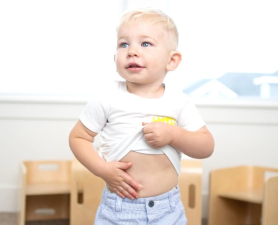
Why should children be taught to recognize their own bodies?
The appropriate age for children to recognize their body parts can be divided into the following stages, considering developmental characteristics and teaching methods:
6 months to 1.5 years: Early Learning Stage
Recommended Methods:
1 year to 2 years: Extension Stage
- Ability Enhancement: Children can gradually point to more body parts, such as hair, belly, etc. At this time, simple instruction games can be introduced (e.g., "Touch your ears") to consolidate cognition.
- Gender Differences Note: Boys may notice their genitals earlier (around 18 months), while girls may notice them slightly later, about 2 months later. This is normal exploratory behavior, and parents should guide them with a calm attitude.
2-3 Years Old: Deepening Stage
- Comprehensive Recognition: Children should be able to name most body parts, including internal organ functions (e.g., "I'm hungry," "My heart is pounding"). Systematic learning can be achieved through nursery rhymes, picture books, and other tools.
- Emerging Gender Awareness: Privacy education should be naturally integrated into this stage, such as explaining "which parts of the body shouldn't be touched by others," using engaging resources like "Body Recognition Nursery Rhymes."
From 0 Years Old: Sensory Exploration
How to Help Children Understand Their Bodies
Start Education Early
Encourage Children's Involvement in Daily Care
Answer Children's Questions
Regular Checkups