

Adolescence is a crucial stage of physical and psychological development, and a golden period for shaping healthy lifestyle habits. Physical education is an extremely important part of this process. We emphasize physical education during adolescence because it's not just about getting teenagers involved in sports activities; it's about cultivating healthy behaviors, improving physical fitness, and, more importantly, shaping a positive social personality through active participation.
Improving Physical Fitness
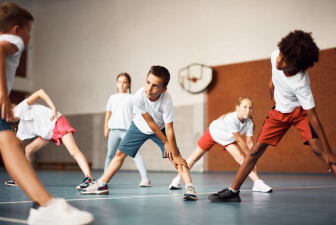
Physical education is the most effective way for teenagers to improve their physical and athletic abilities. Regular exercise can build a healthy physique, strengthen immunity, and prevent various physical illnesses. Furthermore, scientific exercise can improve coordination and reaction time, positively promoting overall physical and psychological development.
Cultivating a Healthy Lifestyle
Adolescence is an excellent stage for habit formation. Good physical education allows teenagers to experience the joy of exercise, thus forming a habit of regular exercise and cultivating a healthy lifestyle. Good exercise habits enable teenagers to understand and practice a healthy lifestyle in their daily lives, benefiting them throughout their lives.
Shaping a Positive Social Personality
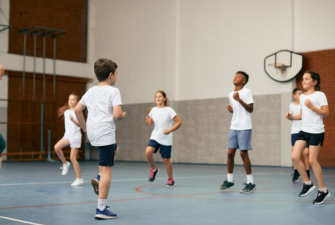
Participation in physical education activities involves communication and cooperation among teenagers, which not only enhances their interpersonal skills but also cultivates teamwork and a sense of social responsibility. Within a team, they learn social rules such as respect and fair competition. Physical education also helps them learn stress management and cultivate positive emotional attitudes.
Improving Academic Performance
A healthy body is a crucial foundation for learning. Research shows that regular exercise improves attention, enhances memory, and improves thinking and problem-solving abilities. Therefore, while maintaining good physical health, teenagers can more easily engage in their studies due to the joy of physical activity.
Conclusion
In a rapidly changing social environment, the importance of physical education for teenagers is self-evident. Physical education not only improves teenagers' physical fitness and cultivates healthy lifestyle habits but also shapes a positive social personality and enhances academic performance. Given these significant benefits, providing teenagers with more opportunities for physical education is crucial. Families, schools, and society should work together to create more opportunities for physical activity so that teenagers can truly understand and enjoy the benefits of physical education.