

• Home
  • Wellness
  • Life&Balance
  • Healthy Planet
  • Life Tips
  • Mind&Body
logo
  • Home
  • Wellness
  • Life&Balance
  • Healthy Planet
  • Life Tips
  • Mind&Body
  • Mind&Body

Learning to Read Your Body’s Warning Signs

2025-12-20 By Liam Smith

Each person's body is a book, recording silent stories. Before we realize a disease is present, the body often silently sends out signals, trying to convey unusual information. These signals may be so subtle as to be imperceptible, but they are crucial indicators of life and health. If we can recognize and interpret these "SOS signals" in time, we may be able to prevent or even save a life. The human body sends us warnings through various signals in daily life. Understanding how to recognize these signals and taking timely measures when abnormalities occur can often prevent the condition from worsening and even save lives. Not all bodily signals are equivalent to serious illnesses, but they reflect that certain systems in the body are triggering protective mechanisms, giving us a reason to pay attention.


What signals does the body send?

  1. Sudden chest tightness, chest pain, and persistent discomfort

If you suddenly experience a squeezing, stabbing, or burning sensation in your chest, accompanied by sweating, nausea, dizziness, and difficulty breathing, and this lasts for several minutes or gradually worsens, you should be highly suspicious of a cardiovascular event. The most alarming possibility is myocardial infarction or unstable angina. This type of pain often radiates from the chest to the left arm, neck, jaw, or back, lasting for several minutes or recurring repeatedly. If it occurs, immediately stop physical activity, sit down and rest, and contact emergency services as soon as possible by calling the local emergency number. If chest pain is accompanied by sweating, restlessness, or confusion, seek medical attention immediately. For cardiovascular warnings, persistent, worsening pain, widespread radiating pain, and difficulty breathing are all signals requiring immediate medical attention.
  1. Sudden Abnormalities in Speech, Facial Features, and Limbs

Acute brain events often manifest as any combination of the following: unilateral facial drooping, slurred speech, difficulty speaking, sudden weakness or numbness in one arm, blurred vision or blindness in one eye, significant loss of balance, or sudden headache without any obvious cause. If you experience any of these symptoms, it is an emergency and you should call emergency services immediately for professional help. Use the "FAST" principle to aid memory: Is your face drooping? Can you not raise your arm or is there weakness on one side? Is there difficulty speaking? If you have a sense of time, the earlier you seek medical attention, the better. Delays in treating cerebrovascular events can have serious consequences; therefore, any sudden speech disturbances, limb weakness, or vision changes should not be ignored.
  1. Persistent Shortness of Breath and Changes in Cough

Abnormalities in the respiratory system are often accompanied by shortness of breath, chest tightness, cyanosis (blue lips), abnormal respiratory rate, cough with sputum, or hemoptysis. Mild shortness of breath after exercise, exposure to pollution, or allergens is not always dangerous, but if it persists, gradually worsens, or is accompanied by chest pain, severe throat tightness, or confusion, seek medical attention immediately. For patients with chronic respiratory diseases such as asthma or COPD, if significant airway spasm or uncontrollable attacks occur, follow the doctor's emergency plan and seek emergency medical assistance if necessary.
  1. Persistent Abdominal Pain and Gastrointestinal Abnormalities

Abdominal pain is a common symptom, but it's important to pay attention to the intensity, location, sudden onset, and accompanying symptoms such as fever, vomiting, jaundice, black stools, and hematemesis. Persistent or severe upper abdominal pain, or persistent lower abdominal pain, especially if accompanied by persistent vomiting, inability to eat, or bloody stools, requires immediate medical attention, as these symptoms may be related to gastrointestinal bleeding, gallbladder disease, pancreatitis, or intestinal obstruction. If the pain worsens at night or is accompanied by general malaise, chills, or fever, prompt evaluation is also necessary.
  1. Sudden Changes in Headache and Neurological Symptoms
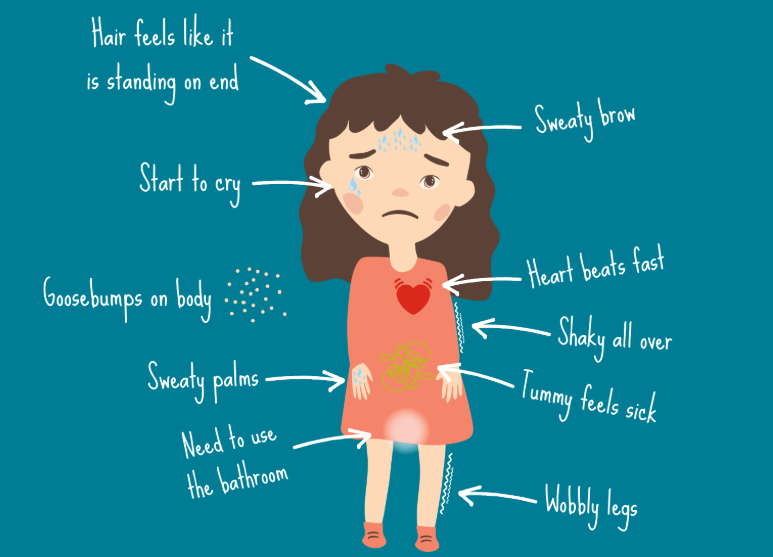
Headaches are usually common and multifactorial, and there's no need to panic. However, the following situations warrant attention: a sudden, extremely severe headache, like being struck by lightning, accompanied by neck stiffness, vomiting, altered consciousness, seizures, vision loss, or speech difficulties. These may indicate serious conditions such as intracranial hemorrhage or meningitis, requiring immediate evaluation. For chronic headaches, if there are recent significant changes, increased frequency, or prolonged duration, consult a doctor to rule out underlying causes.


How to Effectively Identify and Interpret Your Body's Signals

  1. Pay Attention to Daily Changes in Your Body

Regularly monitoring changes in your body daily is the first step in identifying potential health problems. Keeping track of weight, observing skin changes, and paying attention to appetite and sleep quality can help detect abnormalities and take timely action.
  1. Don't Ignore Any Symptoms

Even seemingly insignificant symptoms can be important signals from your body. Headaches, fatigue, and indigestion often indicate deeper health problems that require timely attention and treatment.
  1. Regular Checkups and Health Assessments

Regular health checkups are an effective means of preventing disease and detecting problems early. Through professional evaluation and examination by a doctor, health problems can be detected early, and necessary interventions can be taken.

Conclusion

The body is the vessel and guardian of our lives, conveying information about health and disease to us in various ways. When we can keenly capture and understand these signals, it is possible to take necessary preventative and intervention measures before disease strikes, and even save lives.

Recent Posts

Is Mental Health Shaped by Childhood or Adulthood?

Body Education Matters More Than We Think

The Hidden Process Behind Psychological Disorders

Secrets Your Body Is Constantly Telling You

How Well Do You Actually Know Your Own Body?

Understanding Body Changes Across Different Life Stage

  • About Us
  • Privacy Policy
  • Terms of Use

©Copyright 2025 Wisdom Live. All Rights Reserved.