
• Home
  • Wellness
  • Life&Balance
  • Healthy Planet
  • Life Tips
  • Mind&Body
logo
  • Home
  • Wellness
  • Life&Balance
  • Healthy Planet
  • Life Tips
  • Mind&Body
  • Mind&Body

How Do Psychological Disorders Really Begin?

2025-12-08 By Henry Walsh

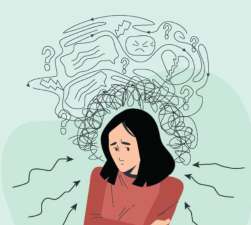
Mental disorders refer to various abnormal psychological processes, abnormal personality traits, and abnormal behavioral patterns caused by physiological, psychological, or social reasons. They manifest as an inability to act in a socially acceptable manner, resulting in consequences that are maladaptive to both the individual and society. When the degree of abnormality in mental activity reaches the medical diagnostic criteria, it is termed a mental disorder. Mental disorders emphasize the clinical manifestations or symptoms of such psychological abnormalities, not treating them as diseases. Furthermore, using the term "mental disorder" is more readily accepted and can reduce social stigma. The formation of mental disorders is the result of the dynamic interaction of biological, psychological, and social factors. Biological factors such as genetic susceptibility and abnormal neurological function may increase the risk of disease; psychological factors such as childhood trauma, negative cognitive patterns, or insufficient emotional regulation abilities can shape an individual's vulnerability; social environmental factors such as family conflict, high-stress events, or lack of social support may act as triggering or maintaining factors. The interaction of these three factors ultimately leads to cognitive, emotional, or behavioral dysfunction.
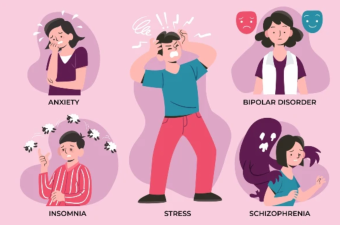

Etiology of Mental Disorders

The term "mental disorder" generally has a broad definition: an inability to act in a socially appropriate manner, resulting in maladaptive consequences for the individual or society. This "inability" may result from organic or functional impairment, or both.

Classification of Mental Disorders

Neurotic disorders, also known as neurosis, initially referred to relatively common psychological problems. Individuals did not show signs of brain abnormalities, did not exhibit widespread irrational thinking, and did not violate basic norms, but experienced subjective distress or patterns of self-defeat or inappropriate coping strategies. Psychotic disorders, or psychosis, are considered distinct from neurotic disorders in nature and severity. Psychotic patients exhibit significantly deviated from social norms, accompanied by profound rational thinking and disturbances in general emotional processes.


How Mental Disorders Are Caused

  1. Genetic Factors:

Family history is an important risk indicator for mental disorders. The heritability of diseases such as bipolar disorder and schizophrenia can reach 60%-80%. Genes increase the likelihood of developing the disease by affecting the metabolism of neurotransmitters such as serotonin and dopamine. Treatment requires a genetic testing-based plan. Commonly used medications include SSRIs such as sertraline and fluoxetine, mood stabilizers such as lithium salts and sodium valproate, and antipsychotics such as olanzapine and quetiapine.
  1. Environmental Stress:

Long-term workplace competition, family conflicts, or economic hardship can continuously activate the hypothalamic-pituitary-adrenal axis, leading to abnormal cortisol levels. This chronic stress may induce depression and anxiety. Cognitive behavioral therapy can correct negative thought patterns, while mindfulness-based stress reduction training, body scans, breathing meditation, short-term stress management time planning, and social support systems can effectively alleviate symptoms.
  1. Physiological Abnormalities:

Prefrontal cortex dysfunction is associated with decision-making disorders, and amygdala overactivity can easily trigger panic attacks. Brain imaging examinations may reveal structural abnormalities. Transcranial magnetic stimulation (TMS) intervention targeting the left dorsolateral prefrontal cortex can improve depressive symptoms. Biofeedback therapy helps regulate autonomic nerve function, and nutritional supplementation with Omega-3 and B vitamins promotes nerve repair.
  1. Psychological Trauma:

Patients with post-traumatic stress disorder (PTSD) due to childhood abuse, violence, etc., often exhibit hippocampal atrophy. Eye movement desensitization and reprocessing therapy (EMDR) can reconstruct traumatic memories. Narrative exposure therapy gradually rebuilds a sense of security. Group psychotherapy provides social readjustment support. Severe cases require the combined use of antidepressants such as paroxetine.
  1. Physical Illnesses:

Hypothyroidism directly leads to depressive states, and brain tumors can cause personality changes due to compression. Treatment of the primary disease should be prioritized. Supplementation with levothyroxine significantly improves mood symptoms in hypothyroid patients. Diabetes-related mood disorders require control of blood sugar fluctuations, combined with relaxation training, progressive muscle relaxation, and guided imagery to regulate the mind and body.

Conclusion:

The roots of psychological problems are complex and multifaceted. Understanding them is the first step towards mental health. Genetic factors, social environment, and lifestyle all subtly influence our mental health. Faced with these challenges, we should take proactive measures, seek professional help, build strong support networks, and improve our lifestyles to enhance our mental well-being. In this challenging era, let us work together to focus on mental health and safeguard inner peace and happiness.

Recent Posts

Learning to Read Your Body’s Warning Signs

Is Mental Health Shaped by Childhood or Adulthood?

Body Education Matters More Than We Think

The Hidden Process Behind Psychological Disorders

Secrets Your Body Is Constantly Telling You

How Well Do You Actually Know Your Own Body?

  • About Us
  • Privacy Policy
  • Terms of Use

©Copyright 2025 Wisdom Live. All Rights Reserved.