
• Home
  • Wellness
  • Life&Balance
  • Healthy Planet
  • Life Tips
  • Mind&Body
logo
  • Home
  • Wellness
  • Life&Balance
  • Healthy Planet
  • Life Tips
  • Mind&Body
  • Wellness

Childhood Obesity: Causes Beyond Food

2025-12-04 By Dylan Crawford

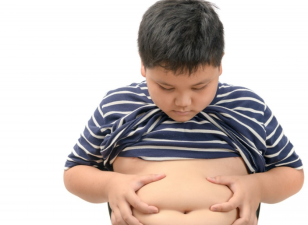
Childhood obesity has become a global public health problem. The 2023 World Obesity Atlas released by the World Obesity Alliance shows that the global obesity rate for boys is projected to double (10% → 20%) between 2020 and 2035, with an even more significant increase for girls (8% → 18%). Childhood obesity has a significant metabolic memory effect, not only leading to the early onset of adult metabolic diseases such as type 2 diabetes and non-alcoholic fatty liver disease, but also forcing a shift in the prevention and control of chronic diseases earlier in life. Childhood obesity is the result of multiple factors, requiring focused attention on five key aspects: genetic factors, poor dietary habits, insufficient exercise, sleep and psychological problems, and social environmental factors.

What are the harms of childhood obesity?

The proportion of obese children who become obese in adulthood is approximately 26% to 41%, and the risk for overweight children is more than twice that of underweight children. Childhood obesity not only poses health risks later in life, but also leads to decreased cardiopulmonary function, abnormal blood lipids, and high blood pressure during childhood. Increased blood sugar can also affect height. In terms of mental health, obesity can also cause feelings of inferiority.

Reasons Besides Diet:

  1. Insufficient Exercise

Nowadays, electronic products such as mobile phones, tablets, and televisions have become children's main forms of entertainment. Children often sit for hours at a time, immersed in games and cartoons, rarely having the opportunity for outdoor activities. Statistics show that if a child spends more than 2 hours a day on electronic products, the child has a higher rate of being overweight or obese. This is because prolonged sitting reduces the body's energy expenditure, and the calories consumed cannot be effectively burned, easily leading to obesity.
  1. Genetic Factors

Childhood obesity is a polygenic hereditary disease. Parents being overweight or obese increases the risk of their children developing obesity. Domestic studies show that if both parents are overweight/obese, the child's risk of being overweight/obese is about three times higher than if neither parent is overweight. A mother being overweight or a father being obese increases the risk of childhood obesity by 1.614 and 2.584 times, respectively. Therefore, it is important to reduce weight to a normal level before pregnancy, especially for the father. This is because obesity has a certain genetic predisposition; parents' genes may pass on to their children physical characteristics that predispose them to obesity, such as a low basal metabolic rate and a large number of fat cells.


Other Types of Obesity

  1. Drug-Induced Hormone Obesity

Some obese children suffer from asthma, autoimmune diseases, or kidney disease, and inevitably use hormone medications during treatment. Long-term, high-dose use of hormone medications can cause central obesity in children. Weight usually returns to normal after a period of discontinuation of the medication.
  1. Pathological Obesity

Children with certain endocrine disorders, such as hypothyroidism, pituitary lesions, hypothalamic lesions, and hyperadrenocorticism, may exhibit obesity. Prader-Willi syndrome and Laurence-Moon-Biedl syndrome can also present with obesity. This type of obesity generally requires professional examination and differential diagnosis by a physician.

Conclusion

Childhood obesity requires collaborative intervention from family, school, and society: establishing a regular, balanced diet with three meals a day, ensuring at least one hour of moderate-to-vigorous intensity exercise (such as running or ball games), limiting screen time to one hour, and monitoring the child's psychological state. Regularly monitor height and weight curves (e.g., BMI percentile), and seek guidance from a professional nutritionist or doctor when necessary.

Recent Posts

Cancer Risk Is Higher Than You Think

Are We Ignoring Early Signs of Chronic Illness?

Why Preventive Health Still Gets Ignored

Taking Care of Health Before It’s Too Late

What Happens When You Don’t Take Your Health Seriously?

Men Avoid Doctors — Here’s the Cost

  • About Us
  • Privacy Policy
  • Terms of Use

©Copyright 2025 Wisdom Live. All Rights Reserved.