

Aging, also known as aging, is divided into physiological aging and pathological aging. Physiological aging is the natural process of birth, aging, illness, and death, while pathological aging is an abnormal aging process caused by factors such as mindset, environment, and social conditions, which can accelerate the aging process. Aging is the natural decline in bodily functions and organ degeneration that occurs over time, manifesting in various ways in appearance and bodily functions. To better meet the needs of the elderly, we need to strengthen our care and support for them, creating a more respectful environment so they can enjoy their later years with peace of mind.
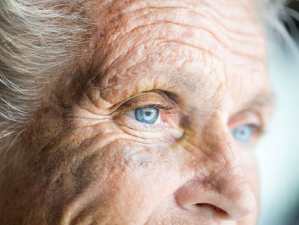
The Essence of Aging
Aging is an activity that accompanies the occurrence and development of life, a process of loss and degeneration of the body's constituent substances, tissue structure, and physiological functions. The aging process continues from conception to death, but the characteristics of aging only become more apparent at certain stages. The physiological changes in the human aging process are mainly reflected in the loss of body tissues and cells and their constituent substances, the slowing of the body's metabolic rate, and the decline in the functions of the body and organs. Aging is inevitable, but delaying aging is possible. A balanced diet and proper nutrition are crucial for delaying aging and extending lifespan.
Physiological Aging and Its Effects
Aging of Tissues and Organs
Cell division and regeneration slow down, cell numbers decrease, the spleen and kidneys atrophy, and weight loss is significant.
Changes in Body Structure and Composition
Total body water is reduced compared to younger people, making dehydration more likely;
Changes in total body electrolytes: sodium, chloride, and calcium increase, potassium, magnesium, phosphorus, and nitrogen decrease, easily leading to hypokalemia and edema; liver and kidney function declines, easily leading to electrolyte imbalances;
Increased fat and blood cholesterol.
Body Function Aspects
Decreased Motor Capacity
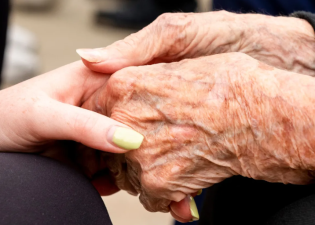
Muscle mass decreases with age, especially skeletal muscle. This significantly weakens muscle strength; for example, arm strength decreases, making it difficult to lift heavy objects; leg muscle strength is insufficient, making climbing stairs and mountains difficult, and walking speed slows down, with shorter strides. Due to wear and tear of articular cartilage, synovial fluid secretion in the joint cavity decreases. Pain and stiffness easily occur in areas such as the knee, hip, and finger joints. Joints become less mobile, with movements like bending, turning the head, and reaching out less pronounced than in youth.
Cardiovascular System Changes:
Cardiac muscle cells gradually hypertrophy, leading to decreased myocardial contractility. The amount of blood pumped with each heartbeat decreases, and the heart rate may compensate by increasing its rate. During exercise or emotional excitement, the heart's workload increases, making palpitations and shortness of breath more likely.
Respiratory System Changes:
The elasticity of the lung tissue decreases, and the number and volume of alveoli shrink. Lung capacity decreases, and breathing becomes shallow and rapid. During physical activity, shortness of breath and decreased endurance may occur.
Digestive System Changes:
Saliva production decreases, leading to dry oral mucosa and reduced chewing and swallowing abilities. Esophageal peristalsis weakens, prolonging the time food takes to pass through the esophagus, making swallowing difficult, especially when eating solid foods.
Nervous System Changes:
The brain's volume and weight gradually decrease, and the number of neurons reduces. Memory declines, especially short-term memory. The ability to learn new things declines, and understanding and mastering new knowledge and skills becomes more difficult.
Friendly Reminders
- Moderate Exercise: Appropriate exercise can strengthen muscles, improve cardiopulmonary function, and help maintain a healthy weight. Older adults can choose low-intensity exercises such as walking, Tai Chi, and yoga.
- Quit Smoking and Limit Alcohol: Smoking and excessive drinking accelerate the aging process and increase the risk of chronic diseases. Therefore, try to avoid smoking and alcohol.
- Adjust Your Mindset: A positive mindset helps cope with the challenges of aging. Maintain a positive attitude towards life by participating in social activities and cultivating hobbies.