

• Home
  • Wellness
  • Life&Balance
  • Healthy Planet
  • Life Tips
  • Mind&Body
logo
  • Home
  • Wellness
  • Life&Balance
  • Healthy Planet
  • Life Tips
  • Mind&Body
  • Wellness

Obesity Is Not Just Weight — What Diseases Follow It?

2025-12-08 By Victoria Reed

In today's society, with the improvement of living standards, obesity is becoming increasingly prevalent, making it one of the four major medical and social problems worldwide. Globally, 1.7 billion people have already lost weight, and the number of obese people has surpassed the number of hungry people. Nearly one-third of all deaths worldwide are related to obesity, lack of exercise, and smoking. Obesity is not merely weight gain; it is a potential trigger for numerous health problems. Obesity is never just isolated overweight; it is a chronic metabolic disease. Medically, obesity has been classified as the root of all diseases. Obesity accelerates human aging and the onset of diseases; currently, more than 15 diseases have been proven to be related to abdominal obesity.
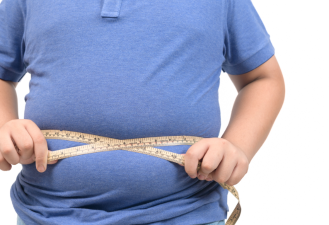

The most common diseases caused by obesity:

  1. Cardiovascular System

The cardiovascular system is the first to suffer. With increased body weight, the heart acts like an engine under increased load, requiring more effort to pump blood throughout the body, naturally leading to higher blood pressure. Long-term high blood pressure damages blood vessel walls, making them harder and more brittle, creating a risk factor for coronary heart disease and stroke. Obese individuals often also experience sleep apnea, with repeated nighttime oxygen deprivation, further exacerbating the burden on the heart and blood vessels.
  1. Diabetes

Disordered fat cells release large amounts of substances that interfere with the body's response to insulin, a condition known as insulin resistance. To control blood sugar, the pancreas has to work overtime, secreting even more insulin. Over time, this leads to pancreatic exhaustion and the development of type 2 diabetes.
  1. Blood Lipids

Obesity also disrupts blood lipids, raising triglycerides, lowering good cholesterol, and raising bad cholesterol. These small particles of bad cholesterol easily penetrate blood vessel walls, contributing significantly to the formation of atherosclerotic plaques.


The following measures are recommended for weight control

  1. Healthy Diet: A balanced diet with sufficient nutrients, reducing high-calorie, high-fat, and high-sugar foods.
  2. Moderate Exercise: Regular physical activity increases energy expenditure and helps maintain a healthy weight.
  3. Good Sleep: Ensuring sufficient sleep time and quality helps regulate metabolism.
  4. Stress Management: Find suitable stress-reduction methods, such as meditation, yoga, and deep breathing, to avoid stress-induced overeating.
  5. Regular physical examinations: Regular physical examinations are essential to detect and address any potential health problems promptly.

Conclusion

Obesity is closely related to a variety of serious diseases, affecting the cardiovascular, metabolic, respiratory, musculoskeletal, and digestive systems. Authoritative data clearly reveals the health risks associated with obesity. Cardiovascular diseases such as hypertension, coronary heart disease, and heart failure can seriously threaten life; metabolic diseases such as diabetes, hyperlipidemia, and hyperuricemia can affect normal metabolic function and lead to various complications; respiratory diseases such as sleep apnea-hypopnea syndrome and asthma can affect respiratory function and quality of life; musculoskeletal diseases such as osteoarthritis and gouty arthritis can cause joint pain and limited mobility; and digestive diseases such as gallbladder disease and non-alcoholic fatty liver disease can affect digestive function. Therefore, we must pay close attention to obesity and control our weight through a reasonable diet and appropriate exercise to prevent obesity-related diseases and maintain good health.
Obesity is no longer just a matter of physical appearance; it has begun to threaten our health. Obese individuals should never be complacent, thinking they are currently healthy and letting their guard down. They are unaware that this is akin to "walking a tightrope," and once they fall, it will be too late for regrets. Therefore, weight loss is not only about improving our appearance and boosting self-confidence, but more importantly, it's about preventing obesity from continuing to erode our precious health.

Recent Posts

Cancer Risk Is Higher Than You Think

Are We Ignoring Early Signs of Chronic Illness?

Why Preventive Health Still Gets Ignored

Taking Care of Health Before It’s Too Late

What Happens When You Don’t Take Your Health Seriously?

Men Avoid Doctors — Here’s the Cost

  • About Us
  • Privacy Policy
  • Terms of Use

©Copyright 2025 Wisdom Live. All Rights Reserved.