

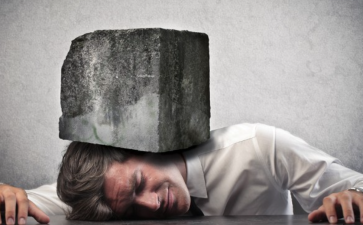
In modern society, our pace of life is accelerating, and the amount of information is constantly increasing. Many people often feel immense pressure, accumulating negative emotions and complex thoughts. How to effectively clear these burdens has become an important topic. Clearing is not just about tidying up physical space, but also about adjusting one's mental state. In our fast-paced lives, we often accumulate many emotions, thoughts, and possessions, which unconsciously occupy our mental space, leading to negative emotions such as anxiety and irritability. Therefore, the process of clearing is actually a process of self-reflection and self-adjustment.
Try doing this:
Lower expectations.
This is key to coping with life's pressures and anxiety. In this fragmented and complex era, everyone is under pressure from anxiety and relentless competition. If we constantly try to solve problems with the mindset of "I must strive to surpass" or "catch up," we will inevitably become more anxious. We must lower our psychological and work expectations to reduce pressure and anxiety.
Form habits.
Developing good habits in life, study, and work can make life more regular. A regular life allows for relaxation and the natural completion of tasks. An irregular life will inevitably lead to increasing anxiety and pressure.
Focus on Key Points.
Put your focus on the important aspects. This allows you to be targeted and efficient, quickly finding your target.
The Impact of a Relaxed Mood
Relaxation is an indescribable and wonderful feeling. Like the rising sun, it is warm and bright, bringing hope and vitality to the new day. Surrounded by relaxation, the mind can soar freely; worries and constraints seem to dissipate with the wind, replaced by endless joy and tranquility. This relaxed feeling is like a haven for the soul, allowing one to find peace and serenity amidst a busy life.
A relaxed mood is like a gentle breeze on a summer morning, softly caressing the heart, carrying away all restlessness and anxiety, leaving only tranquility and comfort. Every breath is filled with the breath of freedom, as if the soul has been thoroughly purified, radiating new vitality. The world seems to be painted with vibrant colors; every leaf is lush and green, every flower blooms in competition, full of life. Strolling through the streets and alleys, light steps accompanied by a joyful mood are like notes leaping on a musical string, creating a harmonious and melodious movement.

How to Specifically Eliminate Stress
Cognitive Adjustment
- Change Mindset: Identify and challenge negative thought patterns, replacing them with more positive and rational thinking. For example, when encountering setbacks, don't just see the failure, but think about what lessons were learned and what can be improved.
- Accept Imperfection: Recognize that no one is perfect. Accept the imperfections of yourself and the things around you, reducing the stress and anxiety caused by excessive pursuit of perfection.
- Deep Breathing and Relaxation: Find a quiet place to sit or lie down, slowly inhale, filling your abdomen with air, and then slowly exhale. Repeat several times. This method can help relax the body and brain, relieving tension.
- Emotional Expression: Expressing inner emotions through writing in a journal, drawing, or confiding in friends helps release stress and reduce the impact of negative emotions.
Behavioral Training
- Exercise: Regularly engage in suitable exercise such as running, yoga, or swimming. Exercise promotes the release of neurotransmitters like endorphins, improving mood, boosting self-confidence, and enhancing physical fitness.
- Cultivate Hobbies: Immerse yourself in activities you enjoy, such as reading, music, or crafts. This allows you to enjoy a pleasurable experience, shift your focus, relieve stress, enrich your life, and enhance your sense of self-worth.
Lifestyle Adjustments
- Regular Sleep Schedule: Maintain consistent sleep and wake-up times, ensuring sufficient sleep. Good sleep helps restore physical and mental energy, stabilize emotions, and improve psychological resilience.
- Balanced Diet: Consume a balanced diet including vegetables, fruits, whole grains, and protein. Avoid excessive intake of caffeine, sugar, and high-fat foods, as these can negatively impact mood.
Social Support
- Stay Connected with Family and Friends: Maintain close relationships with family and friends, communicating and meeting regularly. Their support, understanding, and companionship provide emotional comfort and help you cope with life's difficulties.
- Participate in social activities: Actively participate in social groups or community activities to expand your social circle and make new friends. Good interpersonal relationships can enrich life experiences, provide more support and resources, and also help improve social skills and self-confidence.
Psychological Suggestion
- Positive self-talk: Regularly say positive affirmations to yourself, such as "I can do it," "I am capable of solving problems," etc. Positive self-suggestion can enhance self-confidence, change the subconscious, and help you face life with a more positive attitude.
- Mental imagery: Adjust your emotions and mindset by imagining beautiful scenes or your own successes. For example, when feeling tense, imagine yourself in a peaceful and beautiful place, or imagine yourself performing well in a task, thereby gaining psychological relaxation and strength.
Conclusion
With reduced life stress, people may experience a more positive and composed state of life. They may be inspired to start businesses, dare to try new things and create their own careers; at the same time, they may also become more sentimental, paying more attention to their inner world and emotional experiences. This change not only helps improve individual quality of life and happiness but also contributes to promoting social harmony and progress.